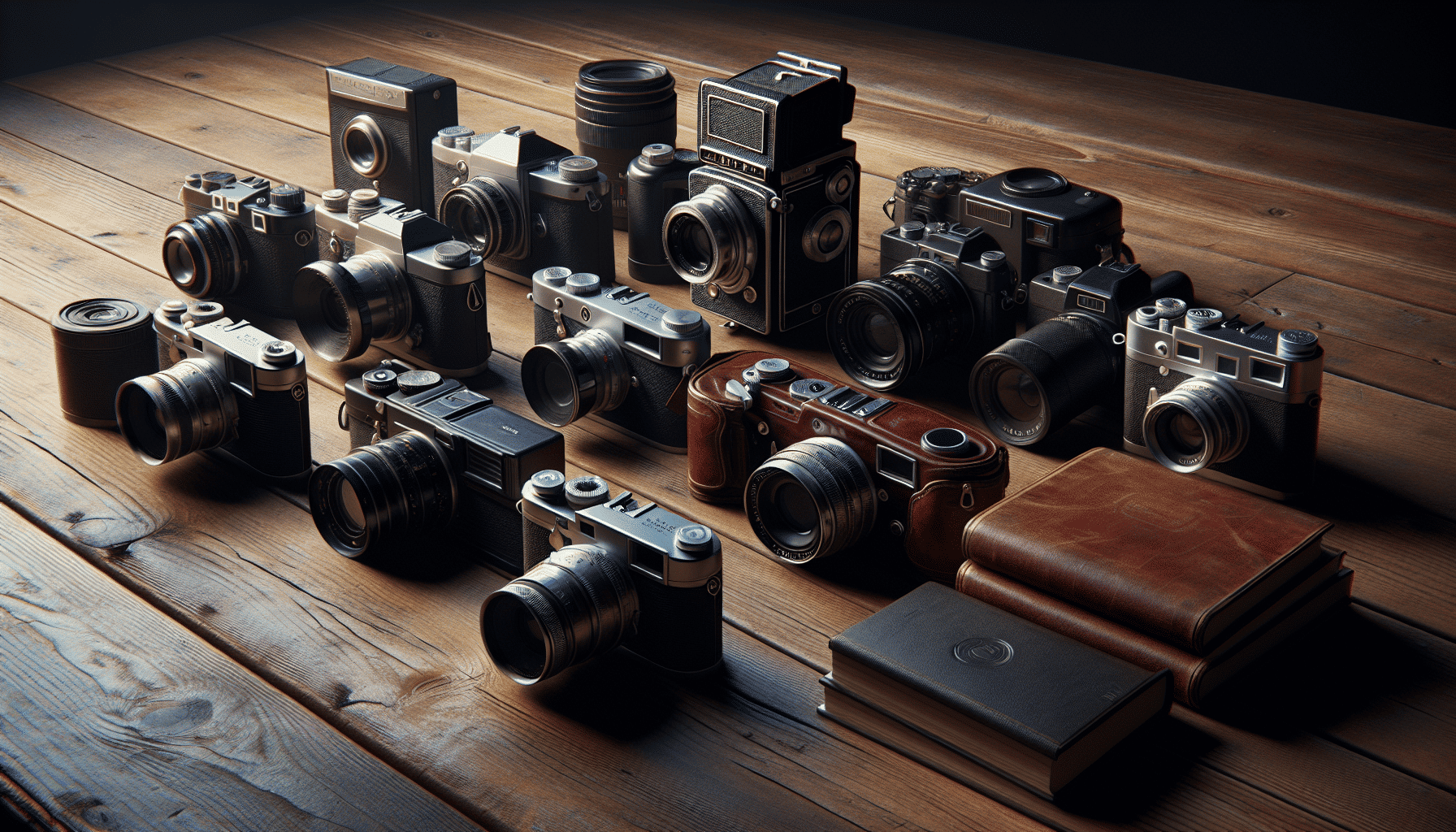
Exploring diverse techniques in photography can uncover new dimensions in visual storytelling, enabling photographers to enhance their creative expression across various genres and eras. Mastering these techniques allows one to more effectively convey emotions, narratives, and the beauty of the subjects being captured.
One foundational technique is mastering the exposure triangle, which involves understanding the interplay between aperture, shutter speed, and ISO. By manipulating these three elements, photographers can capture images with optimal lighting, depth of field, and clarity. For instance, a large aperture creates a shallow depth of field, perfect for portraits where the subject stands out against a blurred background.
Composition also plays a crucial role in guiding the viewer’s eye through an image. The rule of thirds, where the frame is divided into nine equal parts with important elements placed along these lines or at their intersections, can produce more engaging and dynamic compositions. Leading lines, symmetry, and framing are additional compositional tools that can add depth and structure to an image.
In the realm of black and white photography, contrast and texture become the main focus. Without color to convey emotion or mood, photographers rely on light and shadow to create striking images. Ansel Adams, renowned for his black and white landscapes, demonstrated the power of varying tonal ranges to evoke emotions and highlight details that might be overlooked in color images.
Long exposure photography introduces another dynamic aspect to storytelling, transforming the ordinary into the extraordinary. Capturing the movement of clouds, smoothing out bodies of water, or demonstrating the hustle and bustle of city life with light trails are common applications where long exposures shine. This technique requires a stable support to prevent camera shake, allowing for meticulous control over timing and motion capture.
Macro photography takes storytelling into the micro world, unveiling the intricate details often missed by the naked eye. This close-up technique can reveal the complex patterns in nature, like the delicate structure of a flower, or the texture of an insect’s wing. Macro lenses and extension tubes are essential tools in this genre, enabling one to focus at a closer range.
For those interested in capturing fast-paced action, mastering high-speed photography is key. This involves using fast shutter speeds to freeze motion, ideal for sports or wildlife photography. Techniques such as panning, where the camera follows a moving subject, can create a sense of motion, with the subject in focus and the background blurred.
Exploring historical techniques, such as pinhole photography, offers a glimpse into the origins of capturing an image. With no lens, this method uses a tiny aperture to project an image onto a film or digital sensor. The result is a soft, dreamlike quality, which encourages photographers to slow down and contemplate their shots more deliberately.
As technology advances, so do the techniques available. Digital editing and post-processing have become integral to modern photography, enabling further refinement and creative interpretation of images. Understanding software tools allows photographers to correct, enhance, and transform their shots, bridging the gap between reality and artistic vision.
In conclusion, by familiarizing oneself with these diverse techniques, photographers can enrich their storytelling capabilities and broaden their creative horizons. Each technique offers unique ways to capture and share the world’s beauty, shaping how narratives are constructed and experienced through the lens.