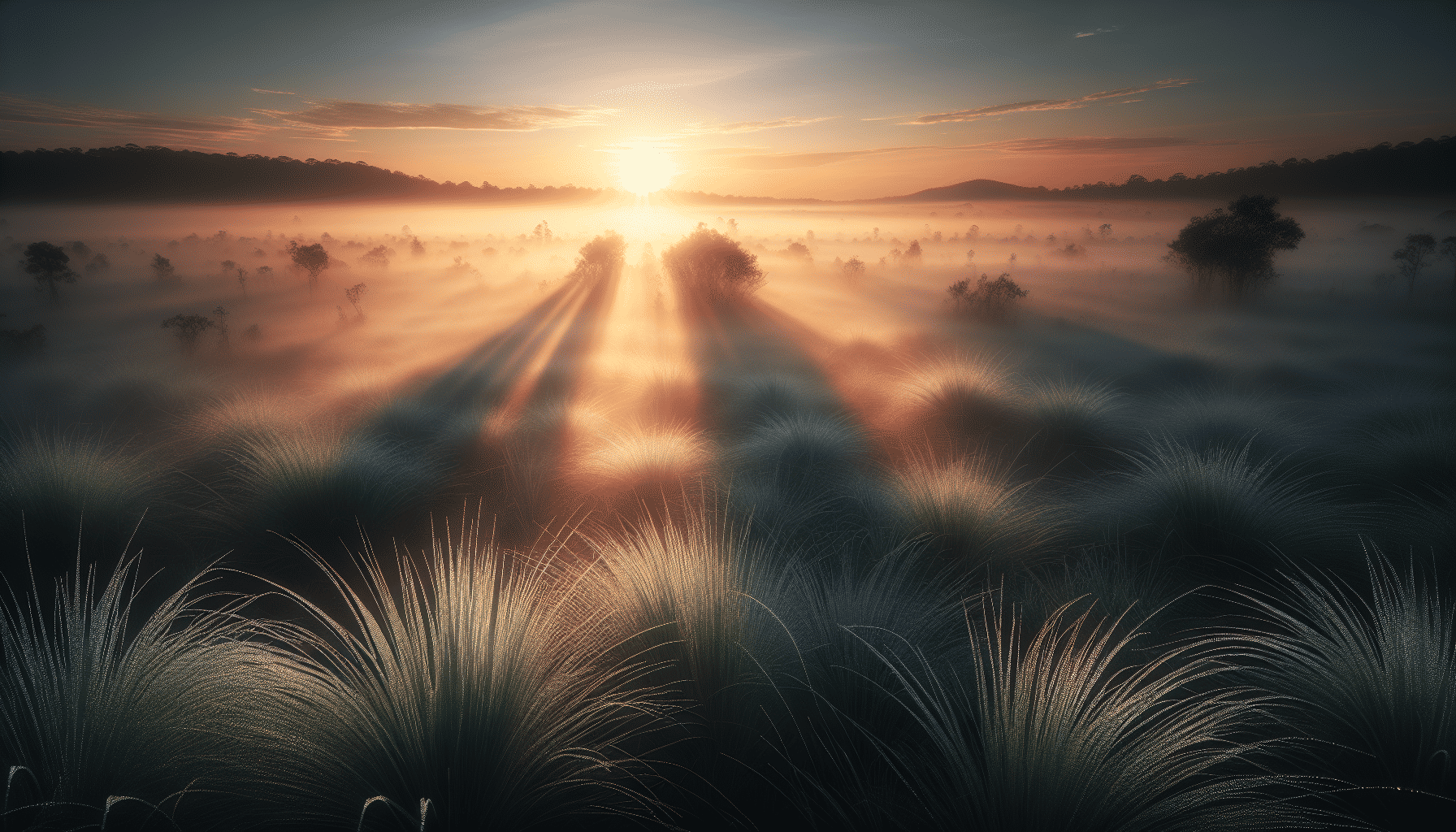
Light is an essential element in photography, influencing how a viewer perceives a photograph beyond its immediate visual context. Understanding and manipulating this key component can transform a simple image into a captivating and evocative masterpiece.
One of the fundamental aspects of utilizing this element effectively is recognizing its direction and how it interacts with the subject. Front lighting, for instance, illuminates the subject evenly, reducing shadows and enhancing details. This can be particularly useful for emphasizing textures and colors. However, relying solely on this type can sometimes result in flat or less dynamic images.
On the other hand, side lighting introduces shadows and highlights simultaneously, adding depth and intrigue. This approach is ideal for portraits and landscape scenes, where the interplay of light and shadow creates a sense of dimension and drama. Backlighting, while often challenging, offers a unique opportunity to craft silhouettes or halo effects that imbue the subject with an ethereal glow. Mastering backlighting requires precise control, ensuring that the primary subject remains the focal point without losing crucial details.
The quality of this critical component also plays a pivotal role. Softness and hardness are terms photographers use to describe this. A cloudy day can provide diffused, soft illumination that wraps around the subject, reducing contrast and creating a gentle atmosphere. In contrast, direct exposure, like that from the midday sun, results in harsh, well-defined shadows. Each quality has its place, with artists often seeking to match it with the mood they wish to convey.
Time of day significantly alters natural conditions, with the 'golden hours,' occurring shortly after sunrise and before sunset, being particularly coveted. During these times, the sun casts a warm, soft radiance that can enhance scenes with a natural and flattering glow. Alternatively, twilight or the 'blue hour' offers a cooler, more subtle ambiance perfect for serene and tranquil images.
In addition to natural conditions, artificial sources provide photographers with ultimate control. Studio setups often employ modifiers such as softboxes and reflectors to shape and direct luminescence precisely as needed. This enables control over every aspect of the shoot, allowing for consistency and a creative freedom in both portrait and commercial photography.
Color temperature, measured in Kelvin, can further influence the mood of an image. Warm tones, typically ranging from 2000 to 3000K, evoke feelings of comfort and nostalgia. Cooler hues, around 5500 to 6500K, can suggest modernity and clarity. Adjusting white balance settings can help achieve the desired color temperature and mood.
Ultimately, mastering this key component is about understanding its effect on the story you wish to tell with your image. By observing and manipulating details such as direction, quality, and temperature, photographers can deeply enhance their storytelling capabilities, leading viewers on a journey through the multifaceted layers of their work. It's this profound interplay that can elevate a photograph from a simple capture to an extraordinary narrative.