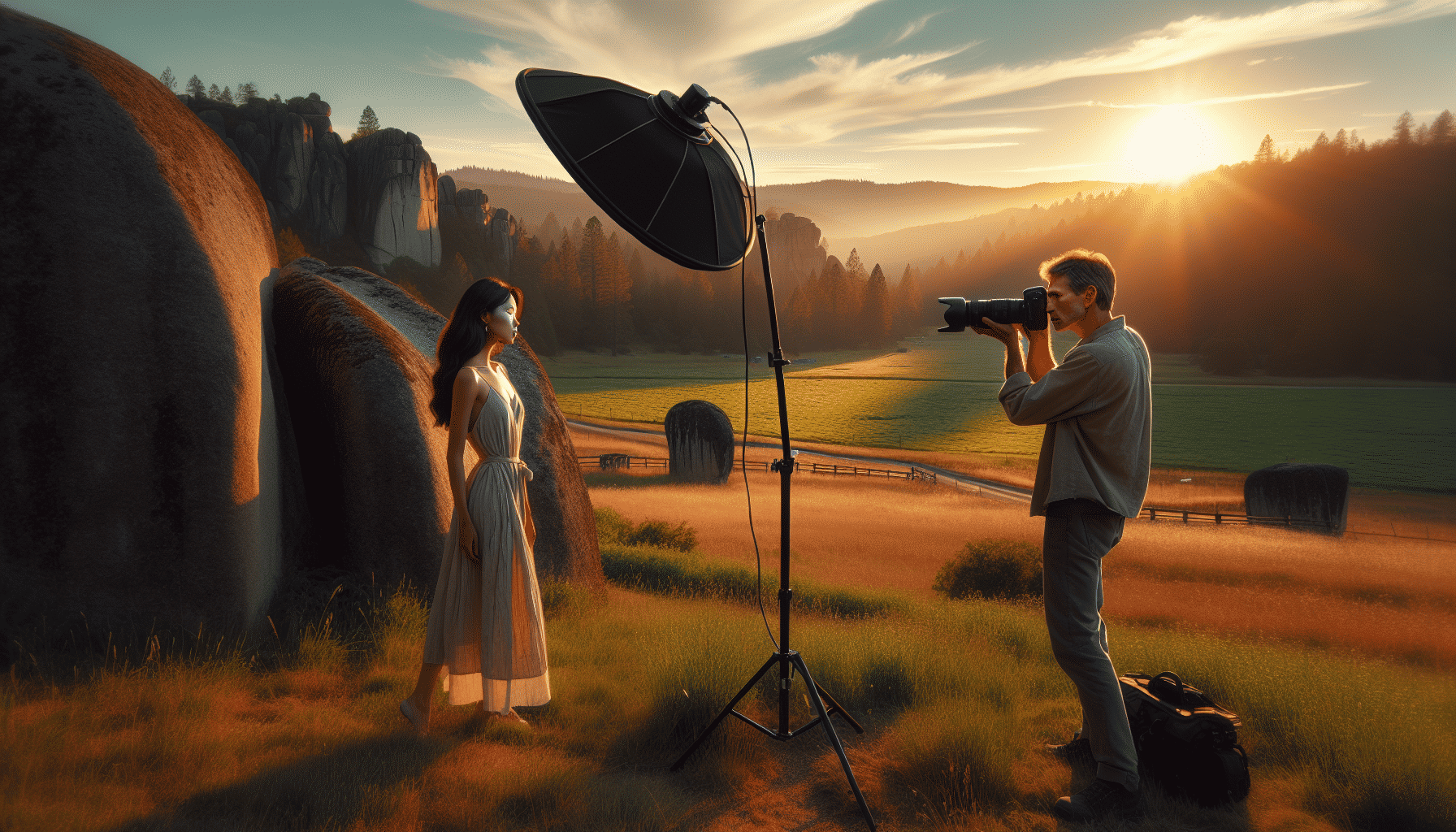
Photography is an art that hinges on the delicate interplay of light and shadow. Understanding how to manipulate both natural and artificial illumination can elevate your captures from ordinary to extraordinary. This guide delves into various techniques that professional photographers employ to master this elemental aspect of photography.
Understanding Natural Light
Natural light, provided by the sun, is ever-changing throughout the day. Knowing how to use this variability to your advantage is key:
-
Golden Hour: Occurring shortly after sunrise and before sunset, the golden hour offers soft, warm light that enhances textures and tones. This is the optimal time for capturing landscapes and portraits with a natural, glowing effect.
-
Blue Hour: Just before sunrise and after sunset, the blue hour provides a cold, blue-tinted light ideal for moody or atmospheric shots, often utilized in urban photography to capture cityscapes against a deep twilight sky.
-
Midday Sun: While often harsh, the midday light can be tempered by diffusers or using areas of shade to prevent overly stark contrasts and shadows.
Mastering Artificial Light
Artificial light offers control and creativity, enabling photographers to shoot irrespective of the time of day:
-
Flash Photography: A staple in low-light environments, flash can help illuminate subjects but should be used judiciously to avoid overexposure. Techniques such as bouncing flash off surfaces or using diffusers can create softer, more natural-looking results.
-
Continuous Lighting: This type of lighting is especially useful in controlled environments such as studios. Softboxes and LED panels allow you to shape the light according to your vision, with great flexibility in intensity and direction.
-
Light Shaping Tools: Reflectors, diffusers, and flags help to direct and soften light, reducing harsh shadows and highlighting desired features. Experimenting with different angles and intensities can dramatically alter the scene’s mood.
Light Manipulation Techniques
Professional photographers often rely on a combination of tools and timing to achieve desired effects:
-
Backlighting: Positioning the light source behind the subject creates silhouettes and adds depth by separating the subject from the background.
-
Side Lighting: This technique is excellent for emphasizing texture and shape, creating contrast and interest in portraits and still-life photography.
-
Fill Lighting: Used to lighten shadows and reduce contrast in an image, fill lights ensure that all details within the frame are visible and blended well.
-
Color Temperature Control: Adjusting the white balance in-camera or using gels over lights allows photographers to add warmth or coolness, enhancing the emotional tone of the photograph.
Practicing and Experimenting
Becoming proficient in light manipulation involves practice and experimentation. Engaging with different environments and weather conditions can improve your adaptability to varying lighting conditions.
Consider participating in workshops or shadowing seasoned photographers to observe how they harness light. Experiment by setting challenges for yourself, such as shooting during different times of the day or employing diverse lighting setups.
In conclusion, mastering light in photography is a blend of art and technique. As you experiment and grow more familiar with both natural and artificial light sources, you will refine your ability to capture the visual stories you envision. Through patience and practice, you will discover exhilarating possibilities to elevate the quality and impact of your photographic work.