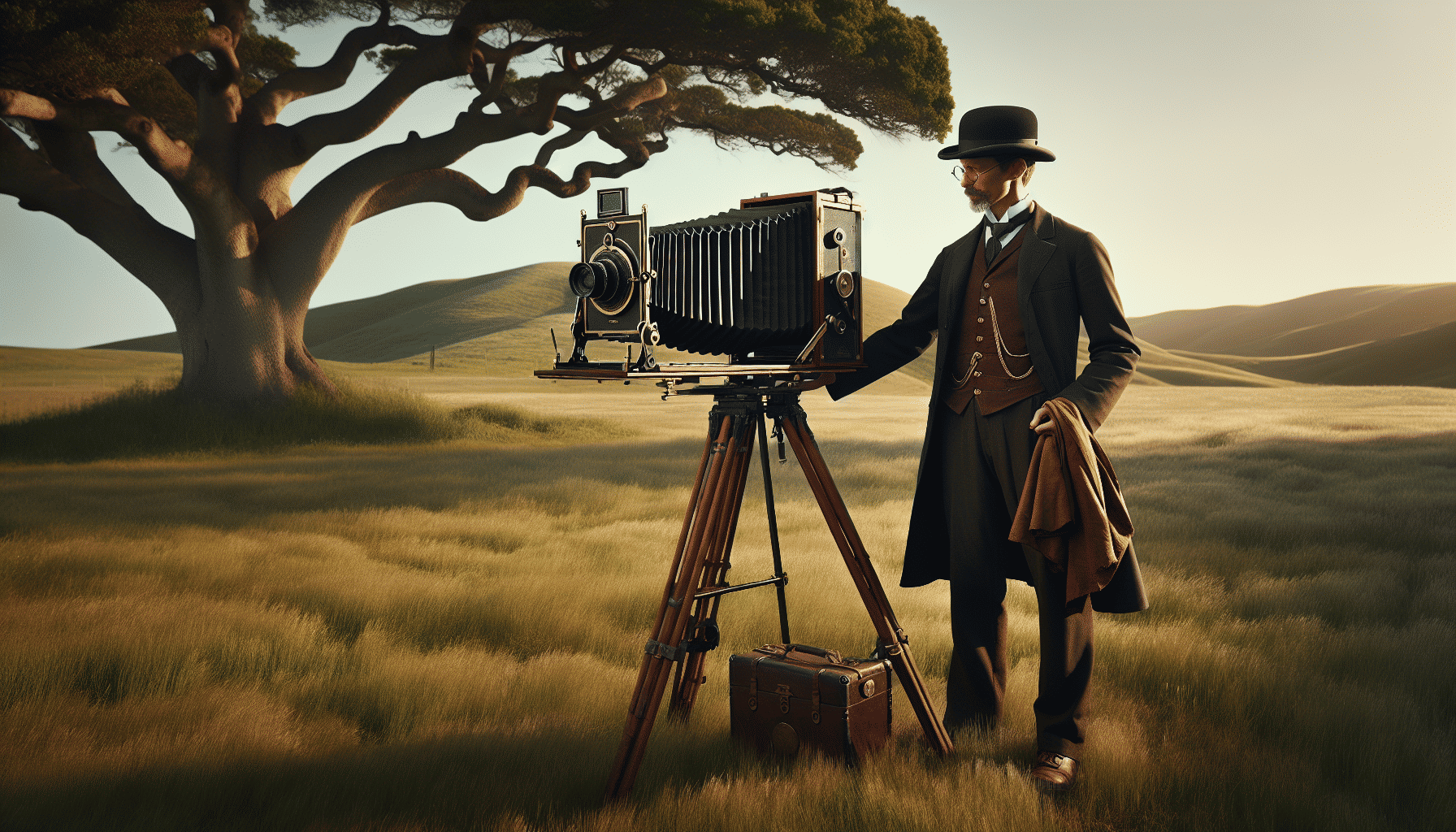
The journey of photography is a fascinating timeline of innovation and transformation, mirroring the progress of technology and human creativity. This narrative begins in the early 19th century, when the first successful attempts at capturing an image began to shape the art and science of photography.
In the 1820s, Joseph Nicéphore Niépce achieved a breakthrough by capturing the first permanent photograph using a technique called heliography. His exposure required several hours of light exposure, producing faint images on a bitumen-coated pewter plate. This pioneering work set the stage for further advancements.
Louis Daguerre built upon Niépce's experiments and, in 1839, introduced the world to the daguerreotype. This method utilized silver-plated copper sheets and iodine vapors to produce images with remarkable clarity and detail. The daguerreotype became immensely popular, but the lack of reproducibility and the lengthy exposure time remained challenges.
Around the same period, Henry Fox Talbot was working on an alternative process that would eventually lead to the calotype. This technique used paper coated with silver iodide and employed gallic acid to develop a latent image. Unlike the daguerreotype, the calotype allowed for multiple copies of images from a single negative, laying the groundwork for modern photography.
The next major leap came with the invention of the collodion process in the 1850s, allowing for much faster exposure times. This technique made photographic portraiture more accessible to the general public. However, it relied on a cumbersome wet plate method that required portable darkrooms.
In the late 19th century, the dry plate technique simplified the photographic process. Gelatin dry plates were more convenient and portable, fostering greater ease in outdoor photography. This era saw the birth of hand-held cameras, which further democratized the art form.
The 20th century introduced the world to color photography, first through the autochrome process in 1907. The advent of Kodachrome film in the 1930s revolutionized color photography, enabling vibrant and enduring images that captivated audiences.
Perhaps the most significant transformation came with the arrival of digital photography in the late 20th century. Digital cameras shifted the paradigm of image capture, allowing for instant review and editing. Advances in sensor technology and increasing resolution continued to refine digital photography, keeping pace with the progression of computing power.
Today, photography has become intertwined with daily life, aided by the integration of high-quality cameras in smartphones. This accessibility enables anyone to participate in the ongoing evolution of photography, sharing moments instantaneously across the globe.
From the laborious processes of early pioneers to the swift capabilities of digital technology, photography continues to evolve, blending art with innovation. This journey reflects our enduring desire to capture and share the moments that shape our lives.